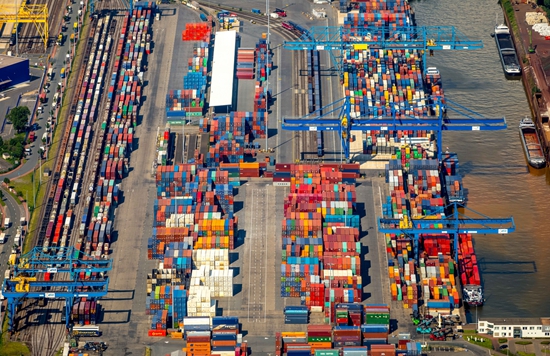
(As customs supervision tightens, luggage export enterprises need to proactively build compliance capabilities)
Tariff System Restructuring: Luggage Product Tariff Rates May Increase by 9 Percentage Points
Under the reform plan, the EU proposes to eliminate the tariff exemption for goods valued below €150 and design a five-tier simplified tax system for distance selling (0%, 5%, 8%, 12%, 17%). Among these, leather goods, travel goods, handbags and other products under HS Chapter 42 will see their tariff rate increase from the current 3% to 12%. According to calculations by Professor Zhu Qiuyuan of Shanghai Customs College, a leather bag valued at €100 — which fell within the duty-free range before the reform — would be subject to €12 in tariffs after the reform, representing a cost increase of approximately 9 percentage points.
This means that luggage enterprises exporting to the EU via cross-border e-commerce models will face significant cost increases. For mid- to low-end products focused on cost-effectiveness, price advantages may be noticeably weakened.
Platform Responsibility Increased: "Deemed Importer" Model Takes Effect
The reform plan introduces the concept of "deemed importer," treating cross-border e-commerce platforms as if they have received and supplied the goods within the EU. Platforms will be regarded as import merchants, bearing tariff and customs clearance obligations, rather than merely serving as intermediaries. This follows the same logic as the 2021 VAT reform, where platforms were "deemed suppliers."
For luggage manufacturing enterprises, this means that cooperation models with platforms may change. To transfer risks and costs, platforms may impose stricter compliance requirements and price terms on suppliers.
Comprehensive Upgrade of Compliance Standards
In addition, EU investigations have found that 66% of online-purchased products do not meet EU safety standards. Following the reform, the EU will make further improvements in product safety. This places higher demands on the product compliance capabilities of luggage enterprises — from REACH compliance for raw materials, to safety testing of finished products, to the standardization of labels and instructions, the entire chain needs to align with EU standards.
Enterprise Response Recommendations
Industry experts point out that Chinese luggage export enterprises can respond to the changing landscape in three ways:
First, proactive participation in the legislative process — expressing enterprise concerns through channels such as industry associations to influence rule-making;
Second, comprehensively improving compliance capabilities — identifying compliance risk points across the entire process from product design and raw material procurement to export customs declaration, ensuring products meet the latest EU standards;
Third, optimizing market layout — while deepening presence in the EU market, actively exploring emerging markets such as Southeast Asia, the Middle East, and Latin America to diversify trade policy risks.
For luggage manufacturing enterprises focused on OEM production, it is even more important to maintain close communication with brand clients, jointly assess the impact of tariff reform on order structure and pricing strategies, and prepare response plans in advance.
Information Sources:
-
Fujian Provincial Department of Commerce: "EU Prepares Largest Customs Reform in 50 Years — How Can Chinese Cross-Border E-Commerce Enterprises Respond to the Changing Landscape?" (2024-04-09)
-
China Trade Remedy Information Network: Reports on EU Customs Code Reform